
Full Disclosure
What “THE TELL” left out, and why it matters for writers and for readers
Of all the people relishing the current feeding frenzy surrounding Lindy West’s memoir, I bet there’s no one happier than Amy Griffin. If it wasn’t for ADULT BRACES, we would all be talking about Griffin’s memoir, what THE TELL didn’t tell that it should have, and how this book — much more than West’s — is bad news for readers and writers of memoir.
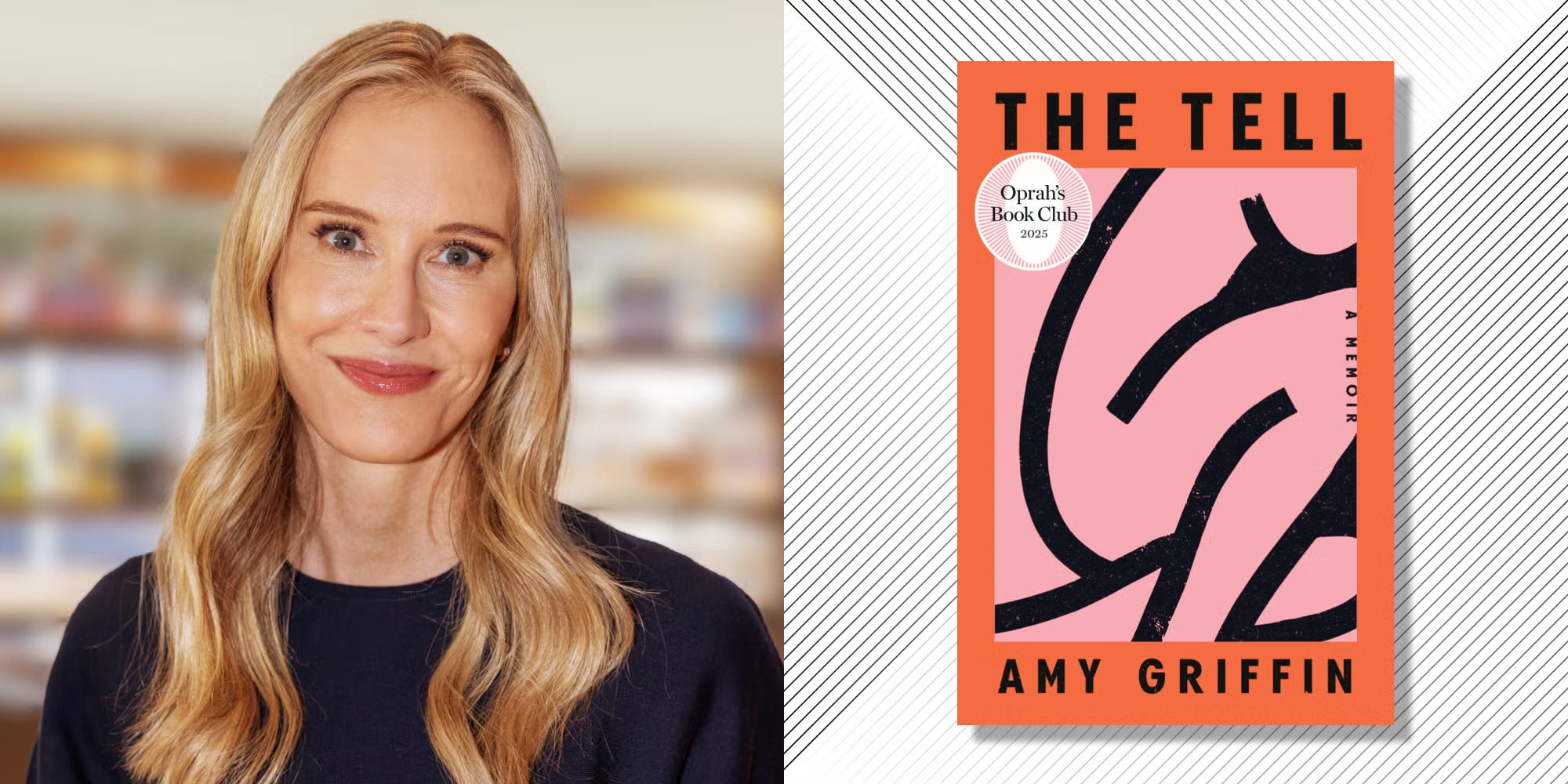
THE BOOK
Amy Griffin is one of the wealthiest women in America. She’s a venture capitalist; the daughter of one fortune who married into another. Last year, she published a memoir called THE TELL.
She worked with Sam Lansky, who ghost-wrote Britney Spears’ memoir, and who gave THE TELL a similar sheen: lots of atmospheric details and readable, engaging prose. The book describes Griffin’s childhood in Amarillo, Texas, where her grandmother founded the Toot’n Totum chain of convenience stores.
Griffin talks about her perfectionism, the hard-charging, type-A, achievement-oriented life that sent her running endless miles, rocketing through college at the University of Virginia, where she played volleyball, and on to New York City, where she starts a marketing career, and eventually has a meet-cute with her husband, a UVA alum a decade her senior, while they were both helping a blind man named Eddie train for a marathon (when Amy denies having a crush, Eddie tells her, “I may be blind, but I’m not blind.”).
Griffin has four children, and eventually launches her own venture capital company, investing in mostly-female founders of early-stage businesses. But her marriage, successful career, and motherhood were not enough to make her feel content. “It was an abundant life, a beautiful life, a life in which I knew there should be no real complaint. And yet, and yet, and yet.”
When Griffin’s youngest daughter complains about feeling disconnected from her – “you’re here, but you’re not here,” she says -- Griffin begins therapy. Under the influence of microdoses of off-label MDMA, she recovers vivid, graphic, horrifying details of being sexually assaulted by a teacher, abuse that began when she was twelve years old. Finally, she has answers. Finally, she can start to heal.
Griffin sold the book for a rumored million dollars, and then called upon her famous friends — women to whom she’s connected through friendship or board membership or investments — to spread the word.
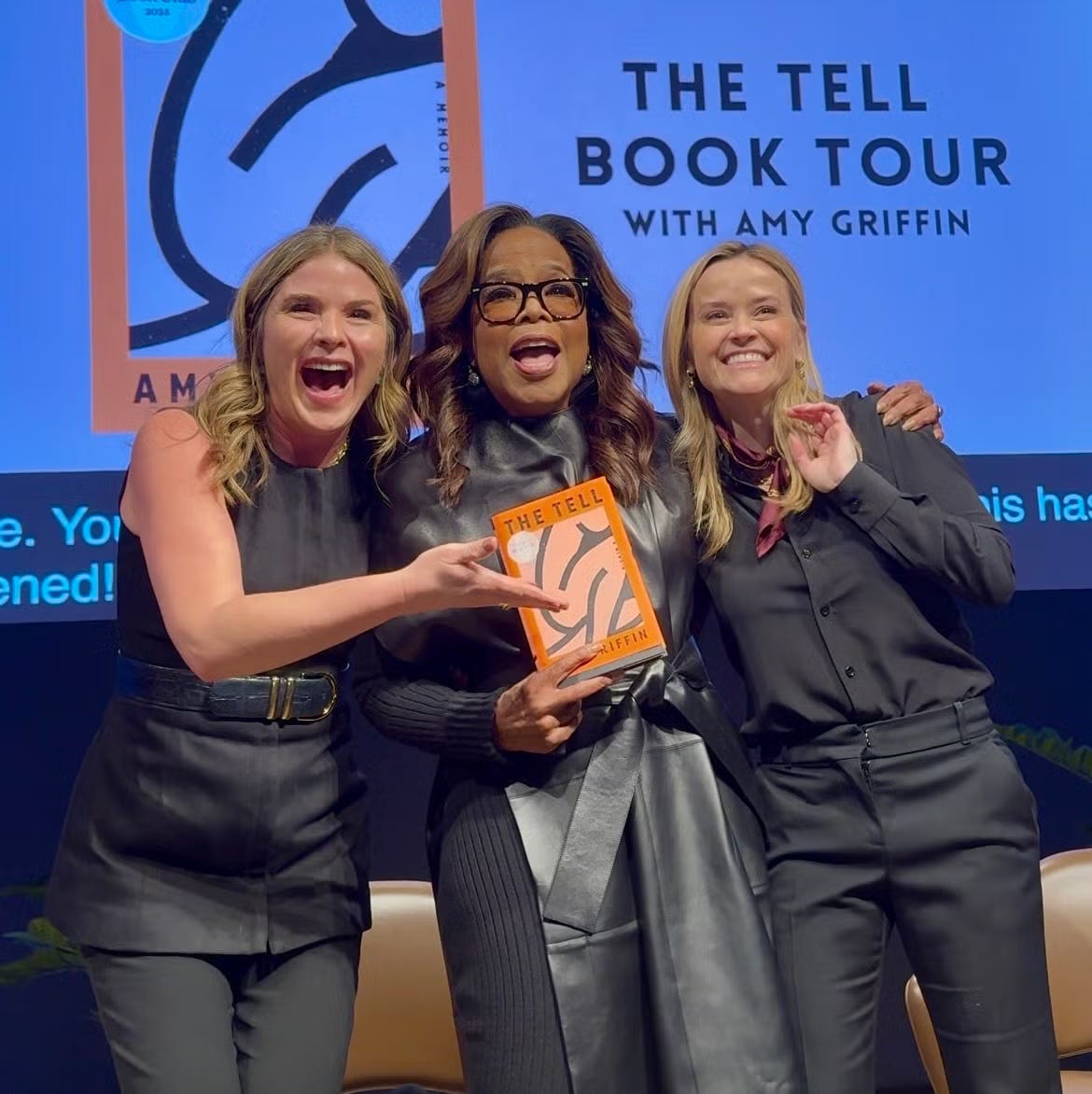
And they showed up for her.
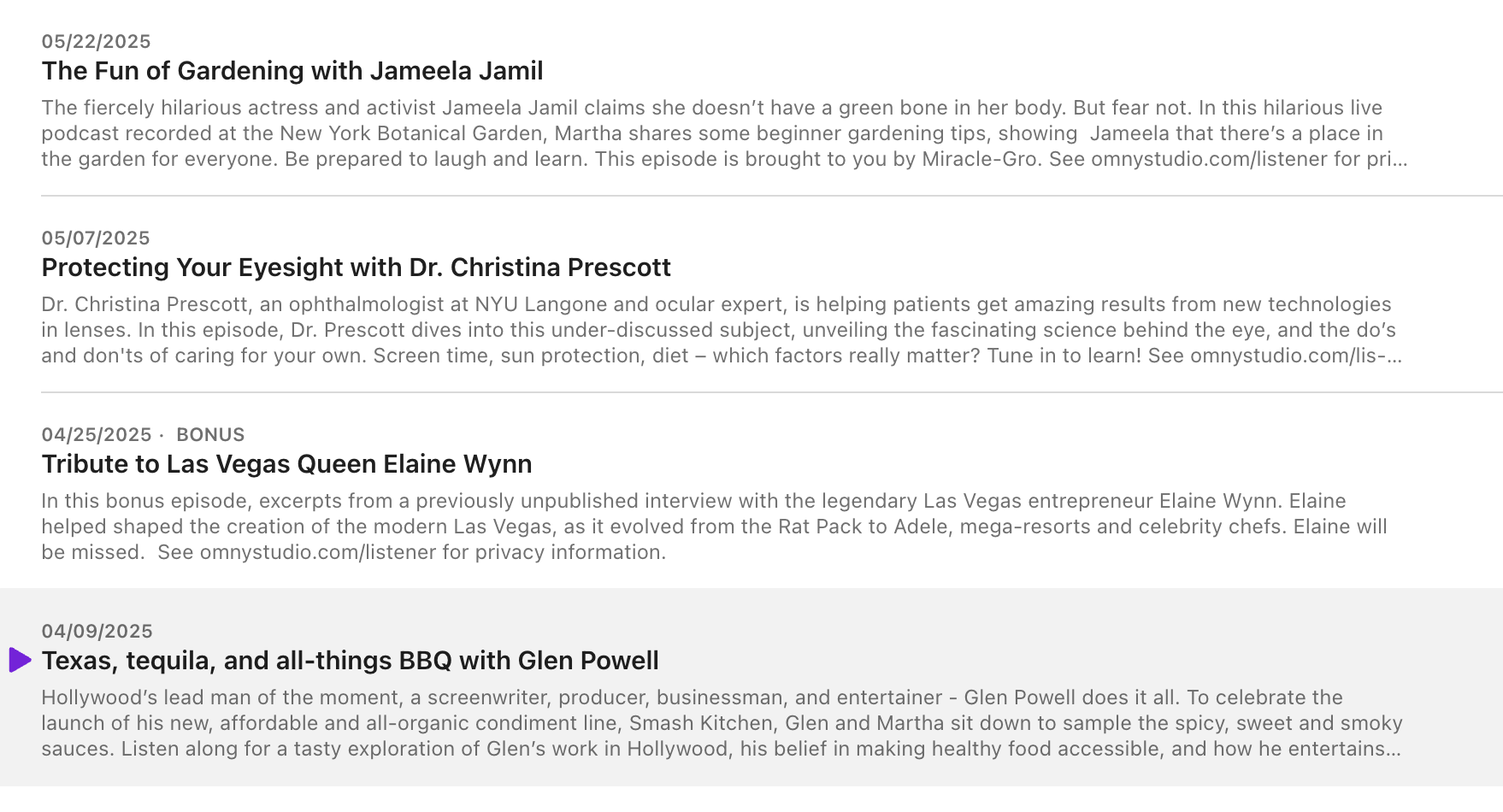
Reese and Jenna and Oprah joined forces to launch the book, on stage at the Ford Foundation. Gwyneth Paltrow praised THE TELL on her podcast. Reese Witherspoon talked it up on her social media, and proclaimed Griffin “a beacon for women everywhere” whose “courage, vulnerability and insight are a gift to us all” in an essay in Time Magazine, which named Griffin one of its 100 most influential people of 2025. Griffin and her book were everywhere: on Martha Stewart’s podcast. On Drew Barrymore’s talk show. On Oprah’s couch, and as Oprah’s book club pick.

The book sold more than 100,000 copies and spent four weeks on the bestseller list.
DO TELL
Then the New York Times sent a pair of reporters to Texas. They found that a middle-school classmate of Griffin endured a sexual assault that sounds identical to the one Griffin described in her book. During the years that Griffin was writing the book, this classmate was contacted by someone claiming to be a talent agent and producer who, per the Times, “expressed interest in using her ‘life story’ for a film or television show.’” When the classmate asked for a contract, the purported agent cut off contact.
They also found that there were financial conflicts and connections (around the book’s PR campaign and within the book itself) that should have been disclosed, and weren’t.
Last month, Griffin was sued by that classmate, identified as Jane Doe, who claims that her story was used in the book and claimed, by Amy Griffin, as her own.
If that’s true – if Amy Griffin tricked a classmate into sharing her story, then knowingly appropriated the details of the assault for her book – her crimes make James Frey look like a jaywalker. It makes Ray and Moth Winn, of Salt Path infamy, look like they shoplifted penny candy.
What’s some embellishment here and a little light fabulism there when compared to claiming another, less-privileged woman’s darkest hours as your own?
If Griffin’s subconscious conflated details of her own assault with her classmate’s, then it’s messy. If she did what she’s accused of doing intentionally, there’s no hell hot enough for her.
Griffin and Jane Doe will have their day in court. Hopefully the truth will come out.
But two things make me inclined to believe the Times’ reporting.
One is that the Times knows its reporters are leveling accusations at a woman with bottomless pockets, a woman with enough money to command top legal talent until time runs out. I’m sure their lawyers told them they’d better be completely sure of their reporting before they went to print.
The other thing that gives me pause are the ethical issues around the book, lapses suggesting a rules for thee, not for me attitude on the part of the Griffins and their circle.
When you read THE TELL, MDMA sounds like a wonder drug, a magical elixir that unlocks the gates of memory and brings struggling women closure and peace.
Griffin tells us that her husband did MDMA therapy first. She describes how much more open he seemed after the therapy; how much more clear he became. “Whatever John had been doing had brought him home to himself,” she writes.
When she embarks on her own therapeutic journey, she asks what she can expect from microdosing “the medicine.” “I would describe it as meeting your most compassionate, loving self. Encountering your deepest knowing,” her therapist tells her. And, after she recovers the memories of abuse, she writes, “A weight I’d been carrying forever slipped off my shoulders. It was the first time I had ever been honest with myself about what happened. I did not feel any shame. I was free.”
Reading that, it is not hard to imagine legions of driven, successful, unhappy women who see themselves in Griffin’s story marching into their therapists’ office and demanding the same treatment that she got, or calling their own representatives to demand the drug’s legalization when they find out the drug is not yet legal in the United States.
And if those women get what they want, guess who stands to profit?
Amy and John Griffin.
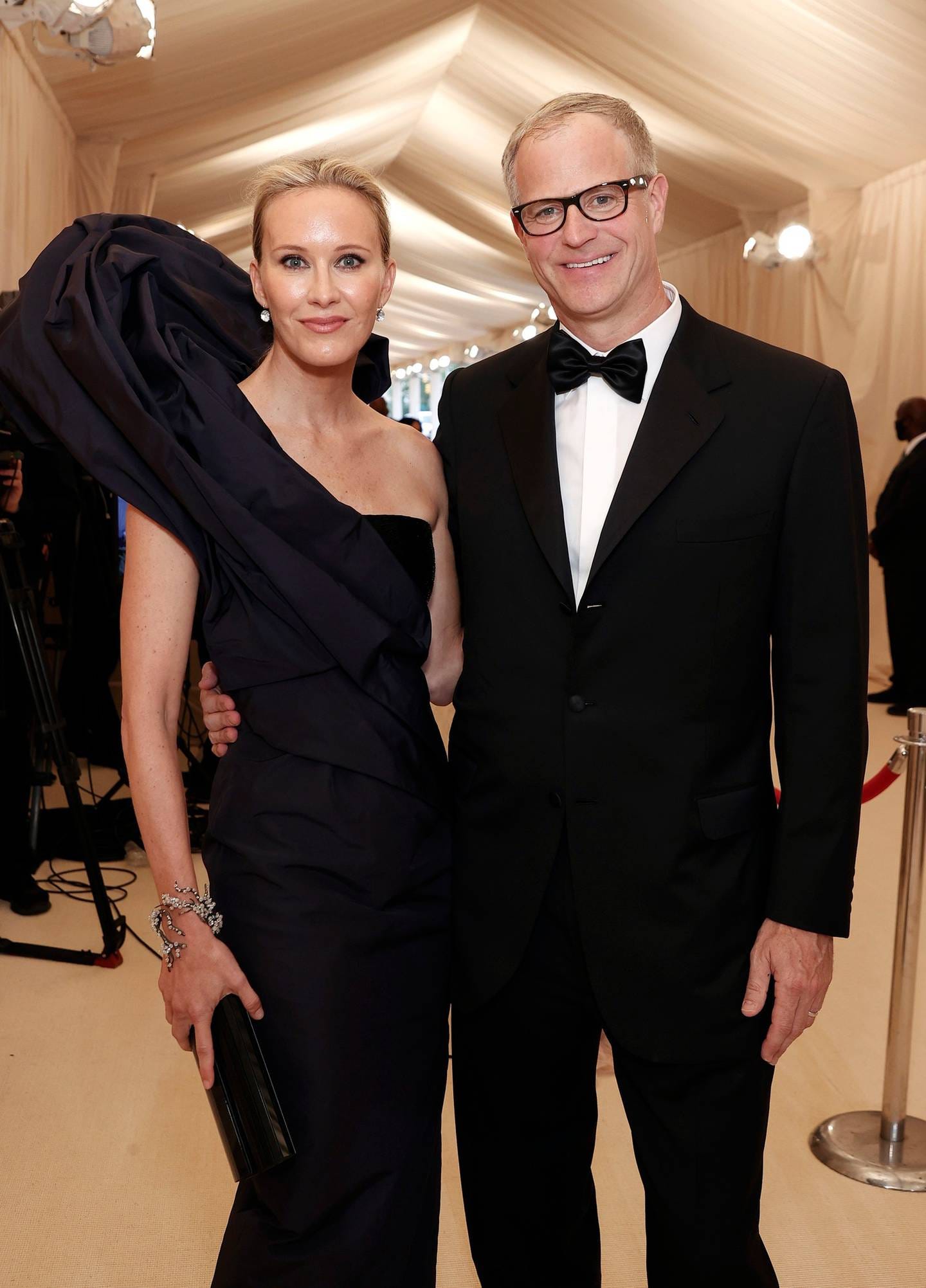
The book briefly mentions John Griffin’s financial support of MDMA research. It does not share that both Griffins have invested in a company seeking to have MDMA approved for therapeutic use. If MDMA gets the green light, that company stands to become “a multibillion-dollar pharma enterprise with exclusive US rights to sell the drug for therapeutic use for a period of six years.”

Which makes THE TELL as much of an advertorial as it is a memoir, a piece of promotional copy in book-like form.
It makes Griffin’s readers not just readers but potential customers whose money would further enrich Griffin and her husband.
That isn’t the only place where the relationship between buyers and sellers got muddy. It turns out that a number of the bold-faced names who provided publicity or endorsements for the book got seed money or other financial backing from Griffin’s G-9 investment fund….information they failed to disclose when writing about, or chatting with, Griffin.
COMING CLEAN
It’s reminding me of a long-ago literary kerfuffle. Raise your hand if you remember the #Fridayreads scandal.
